Anime Character Bento Box Bulk Sourcing: Technical Guide to Structure, Materials, and Acceptance
A technical deep dive for engineers and procurement teams: breaking down food-contact materials, multi-compartment sealing structures, decoration processes, and bulk acceptance methods for anime character bento boxes, to support verifiable sourcing decisions during sampling, testing, and mass production.
Bulk Procurement of Anime Character Bento Boxes: First Distinguish the Three Product Formats
In a procurement context, 'anime character bento box' refers to at least three products with completely different structures, acceptance criteria, and failure risks. Mixing them in one RFQ distorts supplier quotations and often leads to mismatched interpretations during inspection.
- Reusable multi-compartment bento boxes: injection-molded or pressed, with compartments and snap-fit or latch closures; character designs appear on the lid and in the interior. Core risks are sealing, temperature resistance, and hinge fatigue.
- Single-use themed food containers: molded pulp, food-grade paperboard, or thin-wall plastic, often combined with snacks and candy in gift boxes. Core risks are material migration and separation between printed surfaces and food.
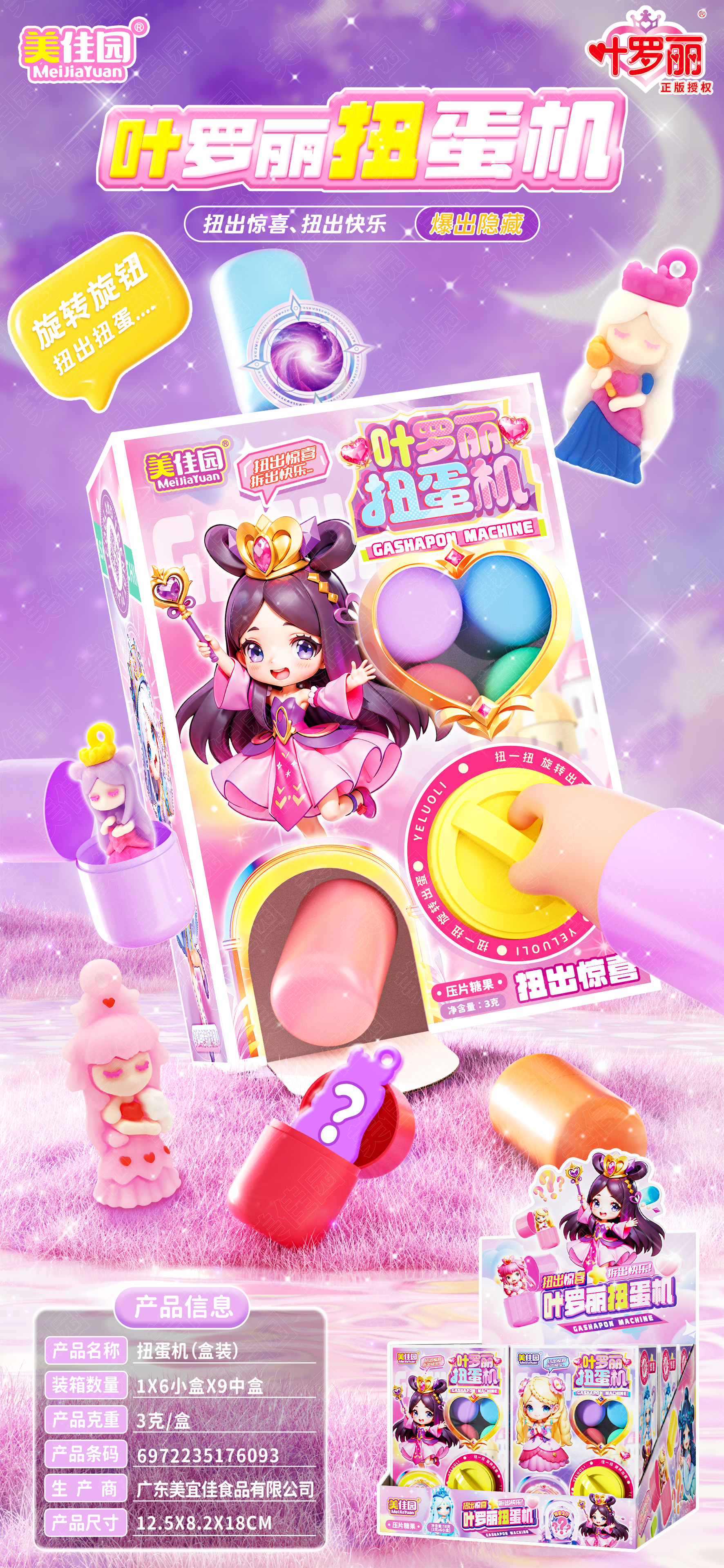
- Character-shaped food boxes/gift boxes: primarily packaging, with characters presented in three-dimensional or irregular structures and anime-themed snacks or candy inside. Core risks are structural strength, drop performance, and consistency of assembly.
Define the format first, then discuss materials and processes. This step determines which food-contact material requirements apply, which tests to run, and how to classify defects in bulk sampling inspection.
Material Selection: Food-Contact Compliance Is a Threshold Requirement, Not a Selling Point
Bento boxes come into direct contact with food, so material compliance is a market-access requirement. Buyers should require suppliers to provide declarations of conformity and test reports that match the final product material and intended use conditions, and verify that the material grade, test items, testing laboratory, and issue date in the reports align.
| Material Type | Typical Product Format | Points to Verify in Procurement | Common Risks |
|---|---|---|---|
| PP (polypropylene) | Reusable multi-compartment bento boxes, snap-fit lids | Food-contact compliance documents, temperature resistance range, presence of recycled material | Insufficient rigidity in thin walls; latches loosen after repeated opening and closing |
| Food-grade paperboard/molded pulp | Single-use themed food containers, combined gift boxes | Barrier between printing ink and food; oil- and water-resistant treatment | Ink migration; cracking at folds |
| PET/PETG | Clear window lids, display outer boxes | Whether in direct food contact; maximum heat resistance | Deformation during washing or at high temperatures |
Compliance pathways vary by target market. The United States focuses on FDA-related food-contact requirements; the EU and UK on framework regulations and plastic implementing measures; Japan on utensil and container specifications under the Food Sanitation Act. Suppliers or third-party testing laboratories should confirm the specific applicable clauses and limits based on the final material and use; this article does not replace the original regulations.
Structural Design: Returns Are Often Driven by Closures and Compartments, Not Graphics
The visual selling point of character bento boxes is the lid, but bulk complaints usually center on structure. When evaluating samples, run several rounds of actual use rather than relying only on photos.
Closures and Sealing
For four-side latch bento boxes, check that the closing feel is consistent and the release force is stable. A simple test: fill with the rated liquid capacity, close the lid, invert, and let stand; observe leakage at seams. For multi-compartment boxes, also check whether divider height is sufficient to prevent sauce transfer between compartments. If the seal is silicone, confirm its food-contact compliance and assembly method to prevent detachment after washing.
Hinges and Connectors
The fatigue life of a one-piece hinge directly affects repeat-purchase reputation. Ask the supplier to explain the hinge design and conduct open-close cycle testing during sampling, recording the number of cycles at which cracks appear or closure force decreases. This data has more procurement value than descriptions such as 'durable'.
Character Shapes and Mold Feasibility
Protruding features such as character hair, ears, and tails can create thin walls or sharp corners. Confirm draft angles, minimum wall thickness, and fillet treatment with the supplier to reduce bulk short shots and stress concentration. If a three-dimensional character lid uses multi-part assembly, confirm assembly tolerances and snap-fit strength to prevent loosening in transit.
Decoration Processes: Put Character Graphics in the Right Place
Graphic processes for anime character bento boxes typically include in-mold labeling, heat transfer, screen printing, water transfer, and stickers. The choice depends on whether the graphic location contacts food, wash resistance requirements, and batch consistency.
- In-mold labeling: the graphic is formed integrally with the plastic part, offering better wash resistance and suitability for large character graphics on exterior surfaces. Confirm the food-contact suitability of the label material and ink, especially if the graphic surface may contact food.
- Heat transfer and screen printing: suitable for small- and medium-area graphics. Check adhesion and rub resistance; tape peel and alcohol wiping can be used for preliminary verification, with specific methods agreed with the supplier.
- Water transfer: suitable for curved and irregular parts, but carries higher risk of batch color variation and graphic positioning deviation; registration tolerances must be specified in the acceptance criteria.
Key principle: no ink, coating, or label should come into direct contact with food. If this cannot be avoided by design, the supplier must provide food-contact compliance evidence for the process; otherwise, the structure should be modified to add a barrier layer.
From Sampling to Mass Production: Replace Verbal Commitments with Measurable Acceptance Criteria
Most bulk-order disputes stem from vague acceptance criteria. We recommend establishing an executable acceptance document at the sample approval stage, covering at least the following dimensions.
| Acceptance Dimension | Examples of Measurable Indicators | Inspection Method |
|---|---|---|
| Appearance | Color variation range, maximum size of black spots and scratches, graphic registration deviation | Visual comparison against the approved sample under standard light; color cards or colorimeter |
| Dimensions and Assembly | Key external dimensions, lid-base fit clearance, latch release force | Caliper/plug gauge measurement according to the agreed sampling plan |
| Sealing | Leakage after inverted standing; liquid transfer between compartments | Fill with liquid and invert; record duration and observation conditions |
| Material Compliance | Material grade consistent with reports; migration test items | Verify declarations of conformity and third-party reports |
| Packaging and Transport | Drop, stacking, outer carton marking | Perform under the agreed transport test conditions |
The sampling plan should specify lot size, sample size, AQL level, and defect classification (critical, major, minor). These parameters are agreed by buyer and seller in the contract; this article does not preset specific values because requirements vary widely across markets, customers, and retail channels.
Common Failure Modes and On-Site Troubleshooting Sequence
During inspection, check in the order of function first, appearance second, and compliance documents third for higher efficiency.
- Leakage and flavor transfer: first check whether the seal ring is properly assembled, then check the lid-base mating surface for flash or deformation.
- Latch breakage: often caused by insufficient material toughness or too small a fillet at the latch root; assess together with open-close cycle test data.
- Graphic detachment or color variation: check printing batch records and curing parameters; retest adhesion if necessary.
- Short shots in character features: check mold venting and injection parameters; this is a batch stability issue and should not be solved by sorting alone.
- Odor: may come from materials or ink; suspend receipt and verify material batches and compliance documents.
Supplier Evaluation: Asking the Right Questions Is More Effective Than Reviewing Brochures
Capability differences among custom anime food-art manufacturers often become clear through Q&A. The following questions can be included directly in an RFQ email.
- Which material grade is used in the final product? Can you provide food-contact declarations of conformity and test reports consistent with that grade?
- Which process is used for character graphics? Will the graphic surface contact food? If so, how is it isolated?
- What are the sampling lead time and mass production lead time? Who keeps the approved sample, and which version is the reference?
- What sampling plan and defect classification are used for bulk inspection? What items are included in the inspection report?
- In the event of a nonconforming lot, how are rework, replacement supply, and responsibility allocation agreed?
When anime character images are involved, also confirm the licensing chain. The buyer should verify character copyright, trademarks, and the scope of image use; whether the supplier has the corresponding licensed production capability should also be included in the contract annex. Licensing is not a process issue, but it directly determines whether the product can be legally sold.
Turn Technical Evaluation into Procurement Decisions
An executable procurement decision can be summarized in three steps: first, use the product format to define the material and compliance scope; second, use sampling to validate structure and decoration processes; finally, use written acceptance criteria to govern mass production. If any step is missing, risk shifts to incoming inspection. For combination gift boxes, additionally confirm independent compliance documents for the snacks and candy inside, as well as the overall packaging and transport performance after combining the bento box with snacks. The more specific the technical discussion, the lower the uncertainty in bulk delivery.