Japanese Anime Snack Box Suppliers: Bulk Sourcing Guide for Character Bento Boxes and Themed Gift Boxes
A sourcing guide for buyers in the US, Japan, UK, Canada, and Australia covering Japanese anime snack box suppliers: product selection, customization, compliance, and bulk acceptance for anime character bento boxes and themed food gift boxes, with an actionable evaluation framework and risk checklist.
First, clarify which type of “anime snack box” you are buying
In a B2B context, “Japanese anime snack box” usually refers to three different product types, with significant differences in sourcing logic, cost structure, and compliance requirements. Classify first, then discuss suppliers; this avoids rework later.
- Anime character bento boxes: lunch boxes or compartment bento boxes featuring character designs; the core issues are food-contact material compliance and structural sealing.
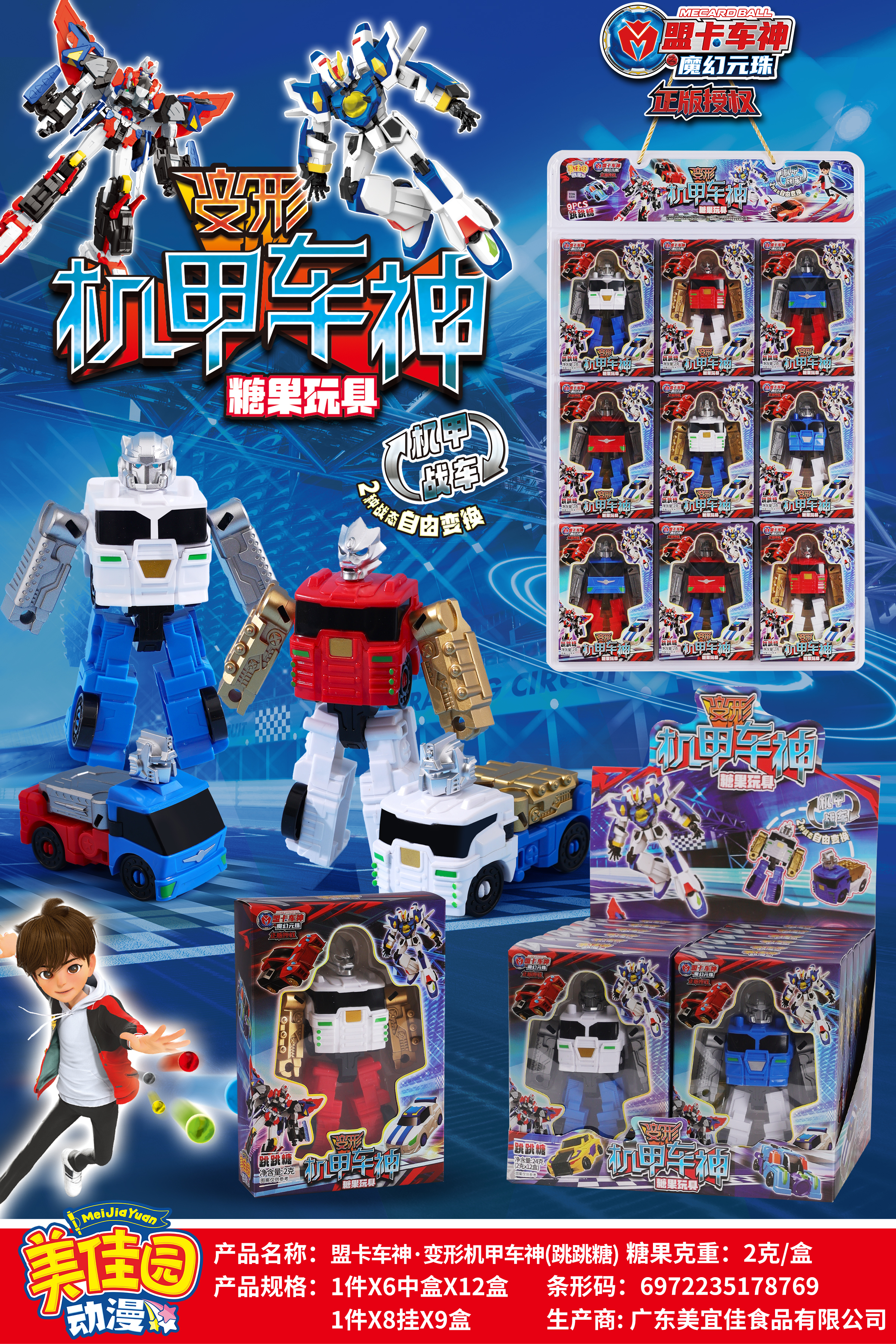
- Anime-themed food gift boxes: snack, candy, and small toy combinations packed in themed boxes; the core issues are contents combination, packaging structure, and IP licensing.
- Integrated anime snack box suppliers: provide product selection, packaging design, assembly, and export documents; suitable for buyers without local assembly capabilities.
If your goal is retail listing, you usually need to meet both food-contact material regulations and toy safety regulations; if it is only corporate gifts or event giveaways, compliance priorities differ. Without clear classification, quotations and lead times cannot be aligned.
Five parameters to lock down before sourcing
Supplier quotations are often inconsistent because buyers have not provided quantifiable parameters first. Include the following five items in the RFQ at the inquiry stage.
| Parameter | Why it affects price | Recommended wording |
|---|---|---|
| Box type and structure | Determines tooling, cutting dies, and assembly labor | Provide length, width, height; whether compartmented; whether an inner tray is included |
| Contents | Determines food compliance, shelf life, and assembly method | List snack types, gram weight, and whether toys are included |
| Material | Determines the food-contact compliance pathway | Specify paper, PP, PET, or composite materials |
| Customization level | Determines MOQ and sampling fees | Distinguish color changes, artwork changes, and new tooling |
| Target market | Determines labels, language, and regulations | State US, JP, GB, CA, or AU |
Until these five items are confirmed, supplier unit prices have limited reference value. In particular, “whether toys are included” directly changes the compliance category and test items.
Structure and material selection for bulk anime character bento box orders
Among the three product types, bento boxes are most prone to problems in transport and cleaning. During sourcing, focus on three structural points.
Sealing and compartments
The partition height and lid fastening method of compartment bento boxes determine whether liquids leak. For bulk orders, ask suppliers to provide information on drop testing and sealing testing, rather than judging only by sample appearance. Test standards and pass thresholds should be confirmed by the buyer according to the target market.
Food-contact materials
Components that directly contact food need to meet the food-contact material requirements of the target market. Specific regulations and acceptable documents differ in the US, Japan, UK, Canada, and Australia. During sourcing, ask suppliers to explain the compliance basis for the materials used, and have the buyer or a third-party laboratory verify it. Do not accept verbal claims such as “food grade” without documentary support.
Printing and character fidelity
Anime characters are sensitive to color fidelity. Before mass production, confirm the color tolerance range, printing process (such as heat transfer, water transfer, or in-mold decoration), and abrasion test method. If the character image involves licensed IP, the licensing scope and responsibility allocation must be specified in the contract.
Assembly and supply chain coordination for anime-themed food gift boxes
The difficulty with gift box orders is not a single product, but multi-category assembly. One gift box may contain candy, biscuits, stickers, and acrylic charms at the same time, involving food factories, printing plants, toy factories, and assembly lines.
When evaluating suppliers, ask three key questions:
- Is assembly done on the supplier’s own line or outsourced? Who is responsible for quality control in outsourced work?
- Are food and non-food items stored and packed in separate zones to avoid cross-contamination?
- If one content item is out of stock, what is the substitution plan and notification mechanism?
These three questions can screen out many intermediaries that “only take orders and cannot coordinate.” For bulk sourcing, supply chain coordination capability often determines whether a project is listed on time more than unit price does.
Evaluation dimensions for custom anime food art manufacturers
The term “custom anime food art manufacturer” is easily overused. What really needs verification is design capability, sampling capability, and mass-production consistency, not the number of cases on a promotional page.
Design capability
Check whether the supplier can output production-ready die-cut drawings and print files based on character settings, rather than only providing renderings. Request structural unfolded drawings and material specifications.
Sampling capability
Whether the sampling lead time and sampling fee are refundable is an important signal of supplier responsiveness. For bulk orders, at least one round of structural samples and one round of pre-production samples are recommended.
Mass-production consistency
Ask suppliers to explain first-article approval, inspection frequency, and handling of nonconforming products. For food-related products, also confirm batch retention samples and traceability methods.
Compliance and labeling: handle separately by target market
The US, Japan, UK, Canada, and Australia have different requirements for food labeling, allergen labeling, nutrition information, and toy safety. The following are the types of documents to confirm with suppliers during sourcing; specific regulatory requirements should be verified by the buyer or a compliance consultant against the latest versions.
- Food-contact material declaration of conformity
- Ingredient list and allergen information
- Shelf life and storage condition labeling
- Safety test reports for toy content items (if applicable)
- Country of origin labeling and importer information
Do not assume suppliers automatically understand all target market requirements. Writing compliance responsibility allocation into the contract is far less costly than remedying issues later.
Acceptance and risk control for bulk orders
Acceptance criteria should be confirmed before ordering, not argued about after arrival. It is recommended to include the following in the purchase contract or quality agreement:
- AQL sampling level and acceptable defect rate
- Specific criteria for appearance, structure, printing, and function
- Remaining shelf-life percentage requirement for food
- Packaging integrity and transport testing requirements
- Rework, replenishment, or refund mechanisms for nonconforming batches
For trans-Pacific shipping, also confirm container temperature and humidity conditions and post-arrival storage recommendations, especially for gift boxes containing chocolate or heat-sensitive candy.
Information checklist for inquiries
Sending the following information to suppliers at one time can significantly shorten the quotation cycle: target market, box dimensions, contents list, material requirements, customization level, estimated first order quantity and expected annual repeat orders, required compliance documents, expected lead time, and delivery terms. The more complete the information, the harder it is for suppliers to hide capability gaps behind vague quotations.