Otaku Snack Box Bulk Supplier: A Buyer's Guide to Anime Food Gift Boxes
A practical guide for importers and retailers sourcing anime-themed snack boxes in bulk. Learn how to evaluate suppliers, verify food safety, assess IP risk, and plan logistics for the US, UK, Canada, Australia, and Japan.
What “Otaku Snack Box” Means in a Bulk Sourcing Context
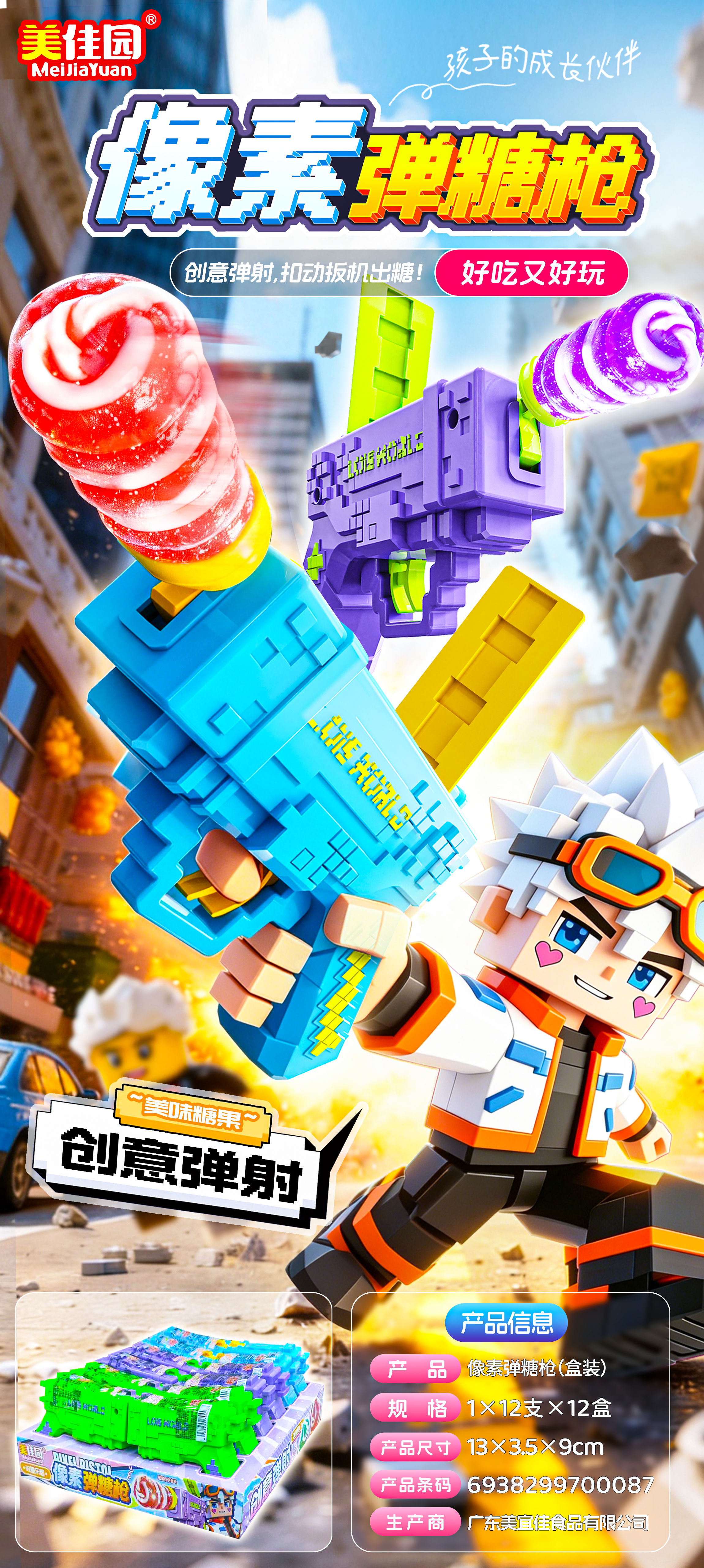
An otaku snack box is a curated, themed assortment of shelf-stable snacks and candies packaged for fans of anime, manga, and Japanese pop culture. In bulk sourcing, the term covers two distinct product types that buyers often conflate:
- Pre-packed themed assortments — fixed combinations of snacks (often Japanese or Asian brands) in a decorative box or bag, sold as a ready-made SKU.
- Customizable gift boxes — a packaging format (box, insert, sleeve) that you fill with your own snack selection, often with custom art, inserts, or interactive elements.
The distinction matters because it changes your supplier requirements, compliance burden, and lead times. A pre-packed assortment shifts more responsibility to the supplier for food labeling and shelf life. A customizable box gives you more control over the snack mix but requires you to manage food sourcing and labeling separately.
This guide focuses on the sourcing and verification process for both models, with an emphasis on the US, UK, Canada, Australia, and Japan markets. It does not cover pricing, which varies by volume, snack mix, and packaging complexity.
Supplier Evaluation: What to Verify Before You Request Samples
Most sourcing problems in this category surface after the purchase order is signed. A structured pre-qualification step reduces that risk. Use the checklist below to separate suppliers who can support your market from those who cannot.
1. Food safety and facility certification
Ask for current food safety documentation tied to the specific production site, not just the trading company. For snack repacking or gift box assembly, relevant documents may include:
- Food safety management system certification (e.g., ISO 22000, FSSC 22000, or BRCGS) for the facility that handles or repacks food.
- Recent third-party audit reports (unredacted scope and date).
- Allergen control plan and cross-contamination procedures if multiple snack types are handled on the same line.
Verify that the certificate holder name and address match the factory you intend to use. Certificates are sometimes held by a parent company or a different site.
2. Product labeling and regulatory fit
Labeling requirements differ by market. For the US, the FDA requires nutrition facts, allergen declarations (including sesame as a major allergen under the FASTER Act), and country of origin labeling for imported foods. The UK and Canada have their own nutrition and allergen formats. Australia and New Zealand use a different nutrition information panel format. Japan has its own labeling standards for processed foods.
Ask the supplier to provide a sample label for each SKU destined for your market and confirm who is responsible for label accuracy. If the supplier cannot produce market-specific labels, you may need a co-packer or labeling partner in the destination market.
3. Shelf life and storage conditions
Snack boxes often combine products with different shelf lives. Request the minimum remaining shelf life at time of shipment and the storage conditions (temperature, humidity) for the finished gift box. A box that looks fine on arrival can degrade if the snacks inside have different moisture sensitivity.
4. Intellectual property and licensing
Anime characters, logos, and artwork are protected by copyright and trademark. Using them without a license exposes you to takedowns, customs seizures, and legal claims. Ask the supplier:
- Whether the artwork is original, licensed, or unlicensed.
- If licensed, the scope of the license (territory, duration, product categories).
- Whether they can provide a license letter or authorization for your market.
If you plan to use a specific anime IP, you generally need to secure the license yourself or work with a supplier who already holds rights for your territory. Do not assume a supplier's existing license covers your market or sales channel.
5. Production capacity and lead times
Ask for typical lead times for sample approval, production, and delivery to your port. For custom boxes with printed art, add time for prepress and proofing. Lead times can vary significantly between peak and off-peak seasons, so ask for a range rather than a single number.
Customization Options: From Art to Interactive Elements
The visual and interactive design of the box is often what makes an otaku snack box sell. Suppliers vary in what they can customize in-house versus what they outsource. Clarify the following before you commit to a design.
Packaging structure and materials
Common formats include rigid boxes, folding cartons, and pouches. Rigid boxes offer a premium feel but cost more and take up more shipping volume. Folding cartons are lighter and cheaper but may feel less gift-like. Ask for material samples (paperboard weight, finish) and a dummy to assess structural integrity.
Printing and finishing
Options include offset printing, digital printing, foil stamping, embossing, and spot UV. Digital printing is cost-effective for short runs and variable art; offset is more economical at higher volumes. Confirm the supplier's in-house capabilities and whether they can match Pantone colors.
Inserts and interactive elements
Inserts can carry a story, a QR code to exclusive content, or a collectible card. Interactive elements like scratch-off panels or spin wheels add engagement but increase assembly time and cost. If your box includes a game or activity, test a prototype with your target audience before scaling.
Snack selection
If you are filling the box yourself, you control the snack mix. If the supplier fills it, ask for a full ingredient and allergen list for each snack and confirm that the snack brands are authorized for resale in your market. Some Japanese snacks are not labeled for export and may lack English-language allergen information.
Compliance and Import Checklist by Market
Regulatory requirements for imported snack boxes vary by destination. The table below summarizes key areas to verify. It is not a substitute for advice from a qualified customs broker or regulatory consultant.
| Market | Food labeling | Allergen rules | Import considerations |
|---|---|---|---|
| United States | FDA nutrition facts, ingredient list, net quantity, country of origin | Major allergens including sesame; FASTER Act requirements | Prior notice, facility registration, FSVP for importers |
| United Kingdom | UK nutrition declaration, ingredient list, allergen highlighting | 14 allergens must be emphasized | Post-Brexit import declarations; check for restricted ingredients |
| Canada | Bilingual (English/French) labeling, nutrition facts table | Priority allergens, including sesame | Safe Food for Canadians Regulations; importer licensing |
| Australia | Nutrition information panel, ingredient list, country of origin | Declare allergens; plain English | Biosecurity requirements for food imports |
| Japan | Japanese labeling standards for processed foods | Specified allergens (e.g., wheat, milk, egg, peanut) | Import notification to MHLW; check for additive restrictions |
For each market, confirm who is the importer of record and who is responsible for label compliance. In the US, the Foreign Supplier Verification Program (FSVP) places obligations on the US importer. Similar rules exist in other markets. Your supplier may not be familiar with these obligations, so plan accordingly.
Logistics and Order Planning
Snack boxes are lightweight but bulky, so shipping costs are driven by volume rather than weight. Consider these factors when planning your order:
- Incoterms: Clarify whether the supplier quotes FOB, CIF, or DDP. DDP simplifies landed cost calculation but may limit your control over the freight forwarder.
- Minimum order quantity (MOQ): MOQs vary widely. For custom-printed boxes, MOQs are often higher due to printing setup. Ask whether the MOQ applies per SKU or per order.
- Packaging for transit: Confirm that the gift boxes are shipped in outer cartons with sufficient protection. Request a pre-shipment inspection or a video of the packing process for large orders.
- Seasonality: If you are targeting holiday or convention seasons, book production capacity early. Chinese New Year and other holidays can affect factory schedules.
Sample Evaluation: A Practical Protocol
Before placing a bulk order, request samples and evaluate them against your requirements. A sample that looks good in photos may fail in person. Use this protocol:
- Label review: Check that the sample label matches your market's requirements. Look for missing allergens, incorrect nutrition formats, or untranslated ingredients.
- Snack freshness: Check production dates and remaining shelf life. Taste a sample if possible (following food safety precautions).
- Packaging integrity: Drop-test the box from a reasonable height (e.g., 1 meter) to see if it protects the contents. Check for loose inserts or damaged corners.
- Print quality: Compare colors to your approved proof. Check for misregistration or smudging.
- Assembly quality: Verify that inserts are secure and that any interactive elements function as intended.
Document your findings and share them with the supplier. Ask for corrective actions before production.
Red Flags and Limitations
Some supplier claims are difficult to verify remotely. Be cautious if a supplier:
- Cannot provide a food safety certificate for the actual production site.
- Offers to use anime characters without discussing licensing.
- Provides only generic sample photos rather than samples of your specific configuration.
- Quotes a price that seems significantly below market without a clear explanation (e.g., lower snack quality or unlicensed art).
Also note that this guide does not cover every regulation in every market. Food laws change, and enforcement priorities vary. Always confirm current requirements with a qualified professional before importing.
Next Steps for Buyers
Start with a clear product brief: target market, box format, snack mix, art direction, and volume. Use the supplier evaluation checklist to shortlist candidates, then request samples and verify compliance documents. If you are new to importing snack foods, consider working with a customs broker or regulatory consultant early in the process to avoid costly delays.