How to Choose a Reliable Anime Food Manufacturer: A Guide to Custom Production Processes and Quality Control
From qualification review to custom production, master the key steps in selecting an anime food manufacturer to ensure products meet international standards and win over anime consumers.
How to Choose a Reliable Anime Food Manufacturer: Custom Production Process and Quality Control Guide
With anime culture sweeping the globe, integrating 2D creative elements into food products has become a powerful strategy for brands to stand out. Whether targeting the North American, Japanese, or European markets, finding a manufacturer that can accurately reproduce IP characters while ensuring food safety and compliance is critical. This article breaks down the key considerations for selecting an anime food manufacturer, from qualification audits to custom production, helping you create a hit product.
What Is an Anime Food Manufacturer? Why Choose Professional Customization Over General Contract Manufacturing?
An anime food manufacturer is a specialized facility focused on transforming anime IPs, characters, or visual elements into edible products. Unlike general food contract manufacturers, these manufacturers must possess technologies such as food-grade ink printing, 3D molding, and sugar art to bring flat characters to life—for example, custom anime character cookies or character-shaped chocolates. Choosing professional customization ensures both IP fidelity and food safety, avoiding issues like distorted imagery or excessive colorants caused by improper processes.
How to Evaluate a Manufacturer's Qualifications and Compliance?
When evaluating a manufacturer, verify whether it holds food production licenses for your target markets, such as FDA registration in the U.S., EU 852/2004 certification, or Japan's JFS or HACCP systems. Additionally, request third-party test reports covering microbiology, heavy metals, pesticide residues, and more. For instance, products exported to the U.S. must comply with the FDA's Food Safety Modernization Act (FSMA), while exports to the EU must meet EU 1169/2011 labeling regulations. Furthermore, the factory should hold international food safety standards certifications like BRC or IFS, which are hard requirements for major Western buyers.
Custom Production Process: Seven Key Steps from Concept to Finished Product
A successful custom anime food project typically follows this process:
- Requirements Communication and IP License Confirmation: Clarify the scope of IP usage, ensuring the manufacturer holds legal authorization or provides copyright avoidance advice.
- Concept Design and Feasibility Assessment: Designers convert 2D images into 3D models, evaluating process feasibility, such as chocolate molding or cookie embossing.
- Sample Development and Flavor Tuning: Produce small-batch samples, adjusting flavor, color, and texture to match target market preferences—e.g., Western markets favor low sugar, while Japan emphasizes matcha flavors.
- Packaging Design and Material Selection: Use food-grade packaging materials, designing for both collectible value and protection, such as tin boxes or acrylic display cases.
- Trial Production and Quality Verification: Conduct small-scale trial runs to verify production stability, and resubmit samples to third-party laboratories.
- Mass Production with Full Monitoring: Establish Critical Control Points (CCPs) to monitor temperature, humidity, metal detection, and more in real time.
- Warehousing, Logistics, and Customs Clearance Support: Provide export documentation, certificates of origin, and assist with destination country customs clearance.
Key Quality Control Metrics: How to Ensure Consistency Across Every Batch?
Quality control must span the entire chain—raw materials, production, and finished goods. For raw materials, require suppliers to provide pesticide residue certificates and conduct regular spot checks. During production, implement online visual inspection to remove items with blurred printing or incomplete shapes. Finished products must undergo shelf-life testing, such as accelerated aging tests. Additionally, establish a batch traceability system for rapid recall if issues arise. For anime foods, color stability is a priority—use natural colorants like spirulina blue to avoid fading from synthetic pigments under light exposure.
Which Market Certifications Are Essential for Anime Food Exports?
Different markets have different requirements: the U.S. requires FDA registration and compliance with 21 CFR regulations; Japan requires adherence to the Food Sanitation Act and JAS labeling; the UK requires the UKCA mark; Canada requires CFIA compliance; and Australia requires FSANZ standards. Additionally, if products contain allergens (e.g., nuts, dairy), they must be prominently labeled on packaging. Anime foods often include jelly, candy, and similar items, so pay attention to varying limits on food additives (e.g., preservatives, sweeteners) across countries.
How to Assess a Manufacturer's Creative Capability and IP Fidelity?
Creative capability is the soul of anime food. Request past case studies from the manufacturer, especially finished products with complex character designs. Evaluate whether they have a professional art team capable of precise color matching with edible pigments—for example, reproducing Hatsune Miku's cyan hair strands. Also, check whether they offer IP collaboration planning, such as combining characters with holiday gift boxes to boost product value. A top-tier manufacturer should provide end-to-end creative support from concept to shelf.
Cost and Lead Time: How to Balance Custom Needs with Budget?
The cost of custom anime food is influenced by mold development, printing processes, and batch size. Typically, mold fees range from a few thousand to tens of thousands of RMB, but they can be amortized across order volume. For your first collaboration, consider a small trial order (e.g., 1,000 boxes) to test market response. Regarding lead times, sample development takes about 2–3 weeks, mass production requires 4–6 weeks, and international shipping adds another 1–3 weeks. When signing contracts, include penalty clauses and build in buffer time for unexpected situations.
Guangdong Meijiayuan: Your Anime Food Customization Expert
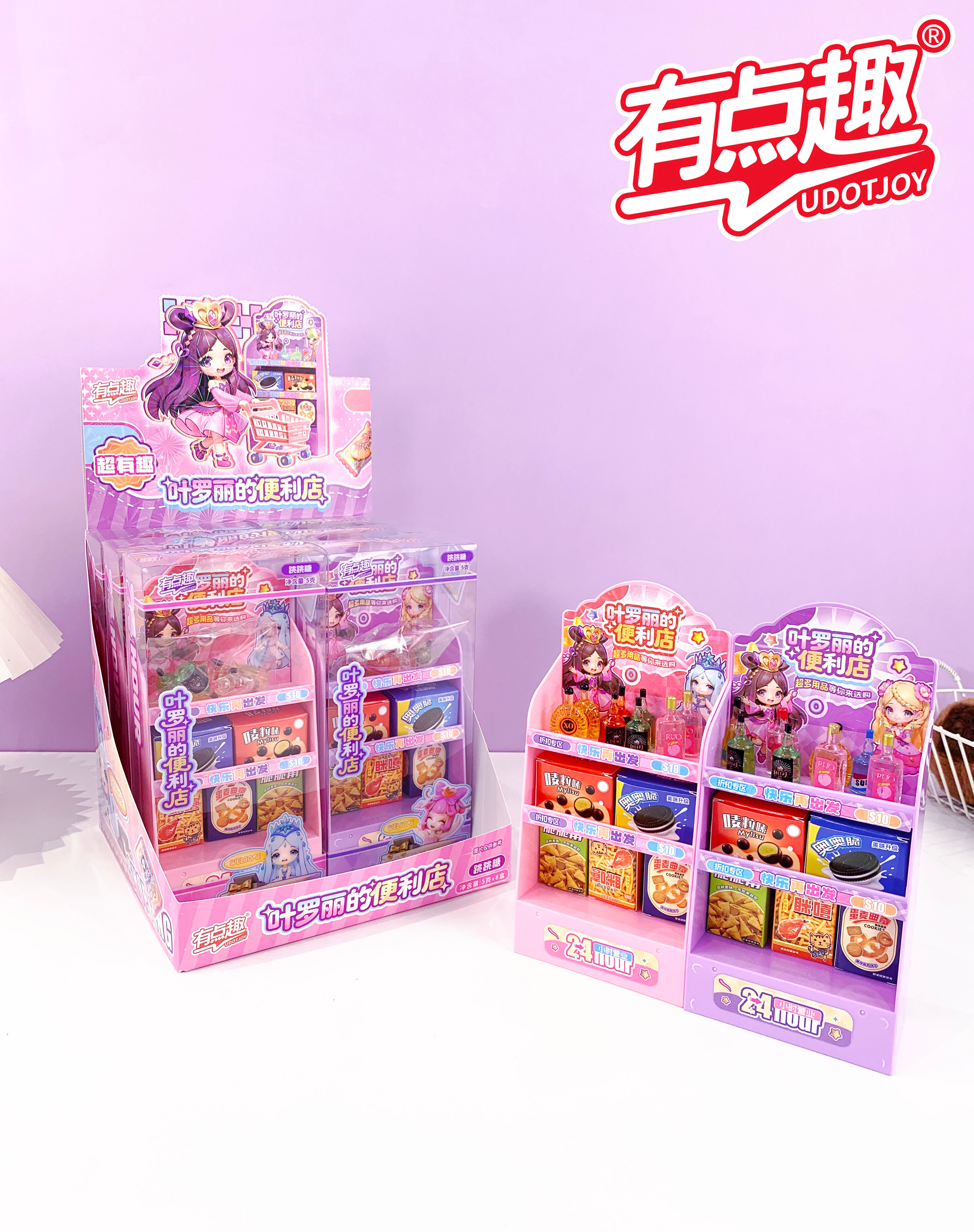
Guangdong Meijiayuan has deep roots in food manufacturing, featuring a 100,000-class purification workshop and fully automated production lines, capable of handling anime-themed food gift box wholesale. We offer one-stop custom anime food art manufacturing, from IP design to finished goods shipping, with full transparency throughout. As a Japanese anime snack box supplier, we are well-versed in JFS standards and can precisely meet Japanese market preferences. Choose us to bring your anime food ideas to the global stage.
Frequently Asked Questions
How to Ensure IP Copyright Legality for Anime Foods?
When selecting a manufacturer, require them to provide IP license certificates or agreements with copyright holders. If you hold the license yourself, clearly define liability boundaries in the contract. Reputable manufacturers will help you mitigate infringement risks, such as recommending original designs or public domain characters.
What Is the Typical Shelf Life of Anime Foods?
It varies by product type: cookies last about 6–12 months, chocolates about 12–18 months, and candies about 18–24 months. The exact duration depends on raw materials and packaging processes, and manufacturers should provide accelerated aging test data.
Can I Order Small Batches of Custom Anime Foods?
Yes. Many manufacturers offer MOQs (minimum order quantities) as low as 500 boxes, though unit prices will be higher. We recommend starting with a small batch for market testing, then increasing order volume to reduce costs.
How to Handle Allergen Issues in Anime Foods?
Clearly define the allergen list during the development stage, and ensure production line segregation or cleaning. Packaging must be labeled per target market regulations, such as the U.S. FALCPA. Manufacturers should provide an allergen control plan.
What Documents Are Needed for Anime Food Exports?
Typically, this includes commercial invoices, packing lists, certificates of origin, health certificates, and ingredient analysis reports. Requirements vary by country, and reputable manufacturers can assist with documentation to ensure smooth customs clearance.
How to Evaluate a Manufacturer's Sample Quality?
Request free samples and inspect appearance, taste, and packaging print clarity. Also, ask for sample test reports and compare consistency across different batches. You can arrange on-site or video factory audits to observe the production environment.